Within the context of this thesis study on Egyptian heritage information, the data collection process was commenced by deploying mixed participatory methods that consisted of a qualitative approach (interview), and a quantitative approach (survey). The design and methodology were put together to achieve the primary goal of this study.
This section will provide a detailed overview of the survey goal, design and the results obtained through its implementation.
Survey Design
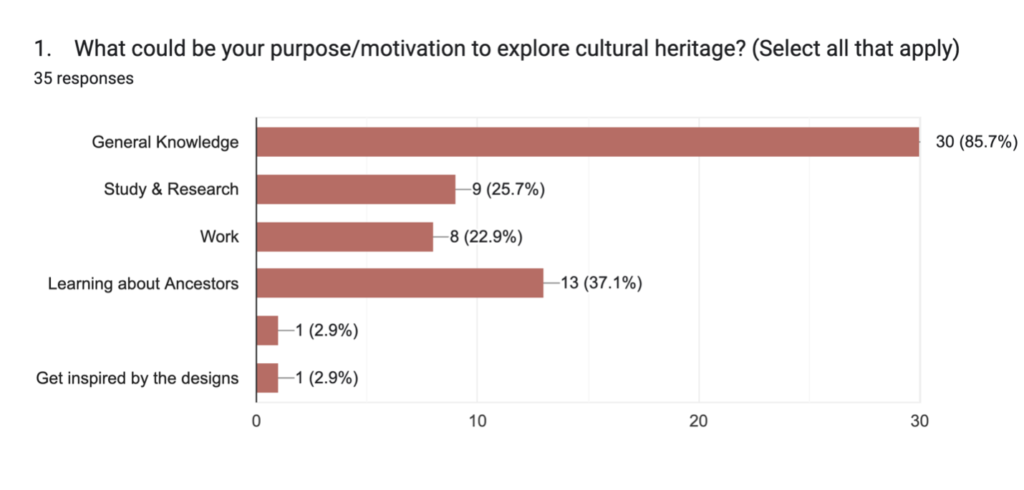
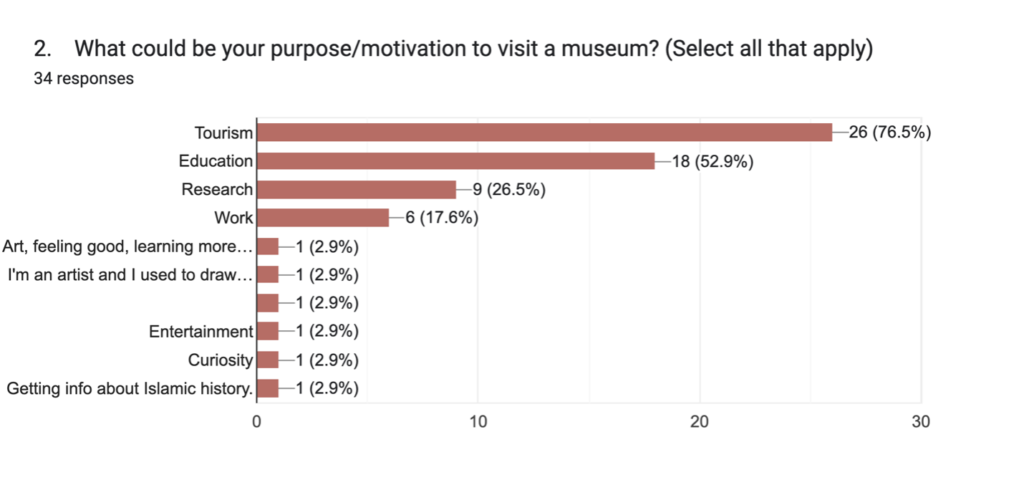
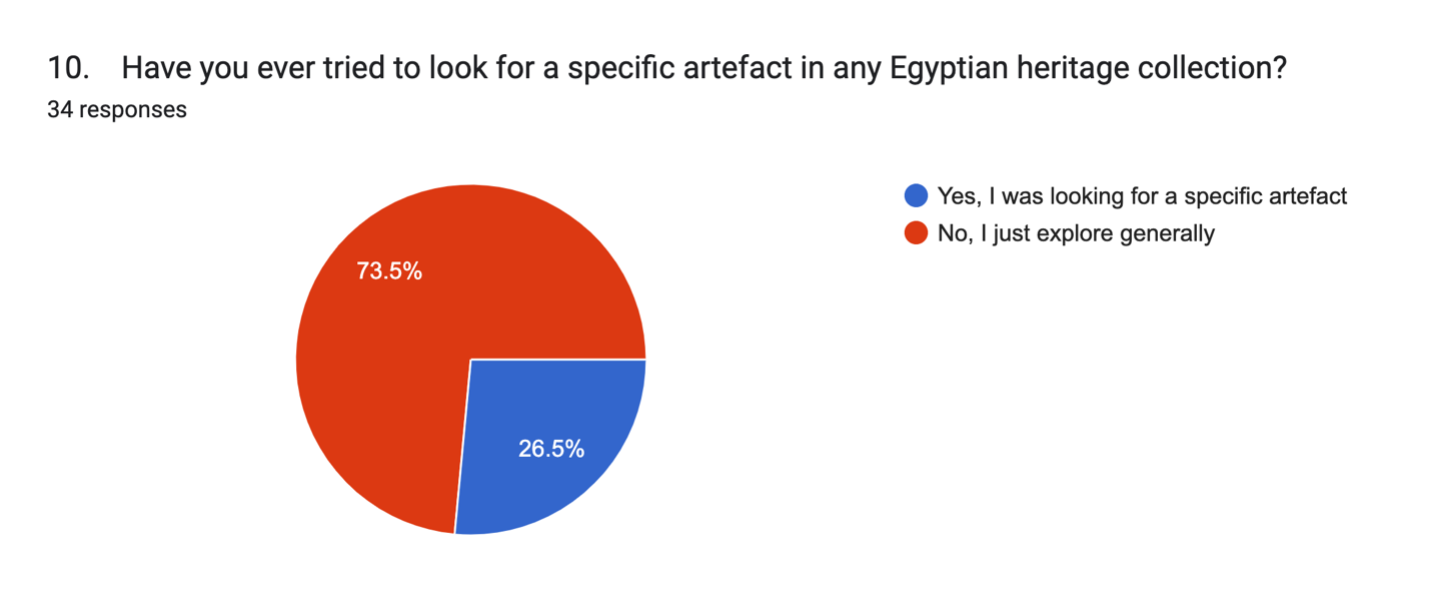
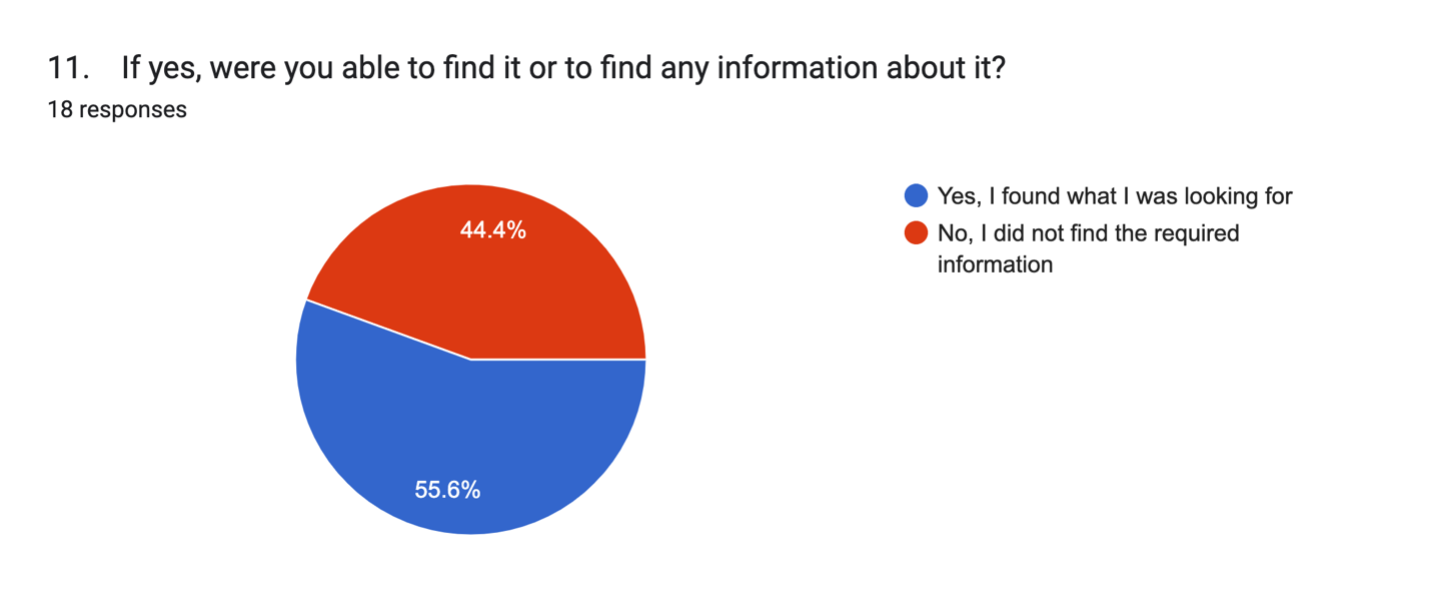
The survey is intended to focus on the current state of data accessibility for people interested in Egyptian cultural heritage, as well as the human interaction in the museums.
It is divided into three sections: the consent form, the data availability and/or accessibility, the human interaction, and the demographic section.
Analysis of Survey Findings
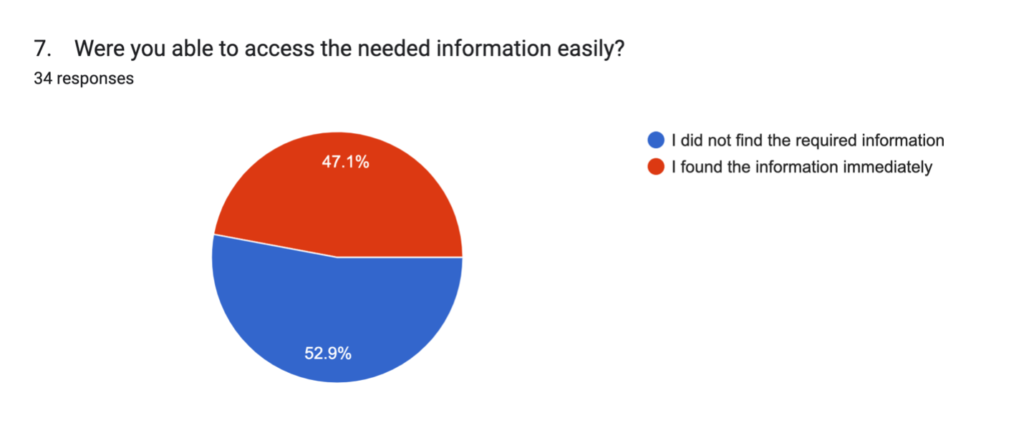
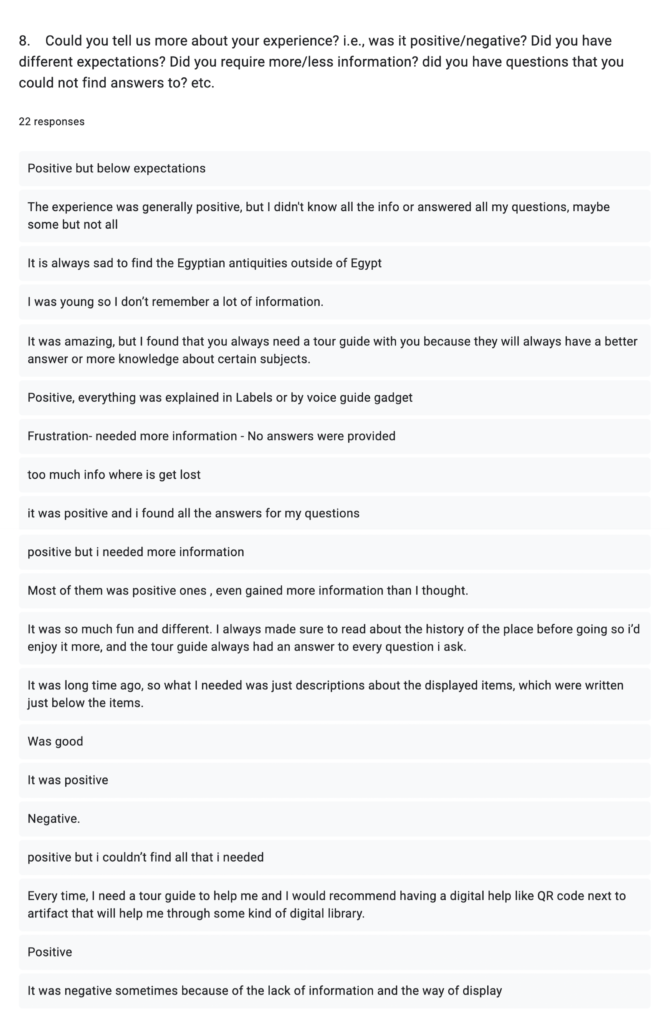
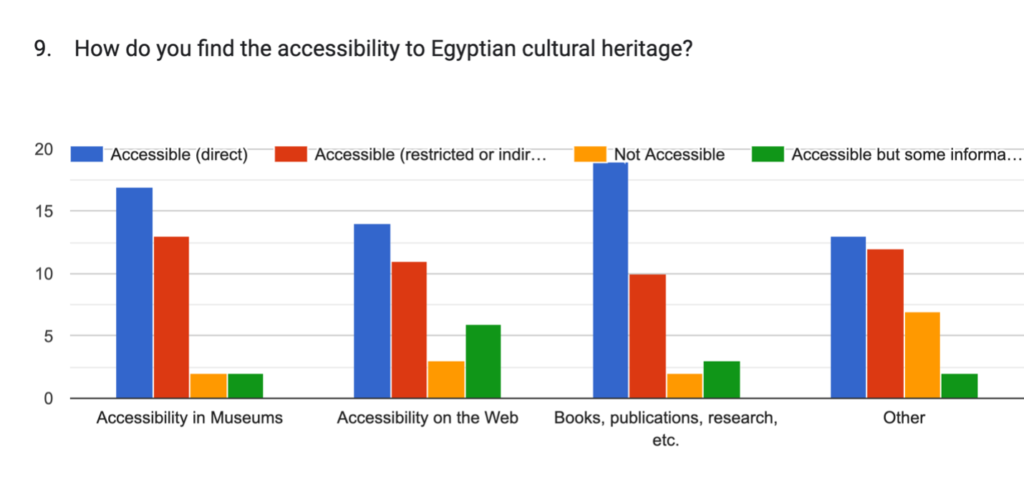
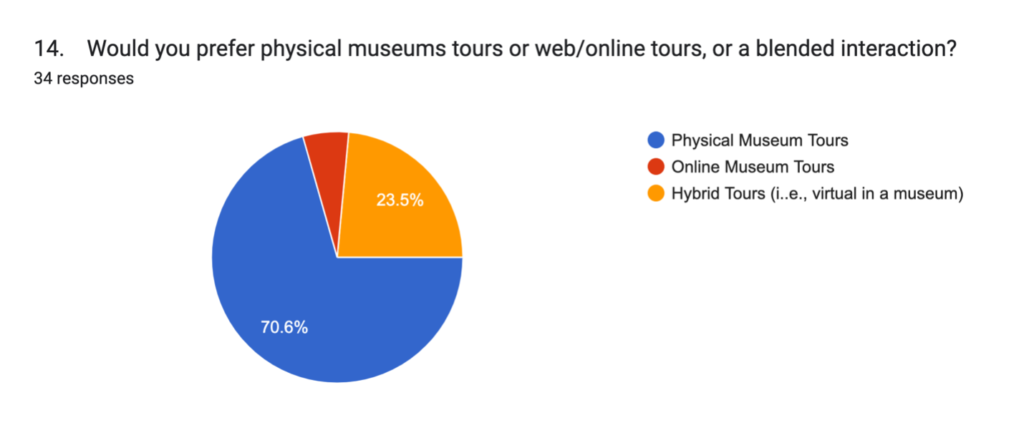
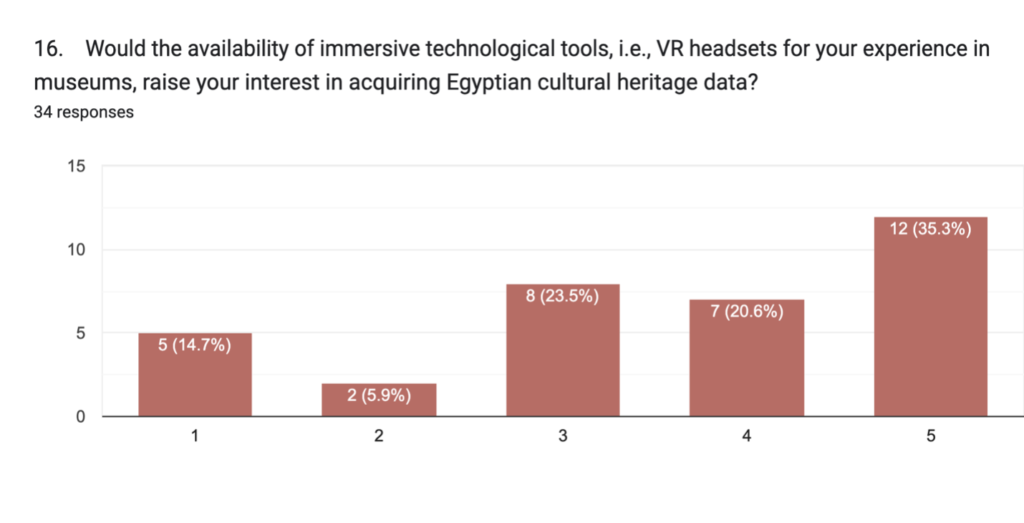
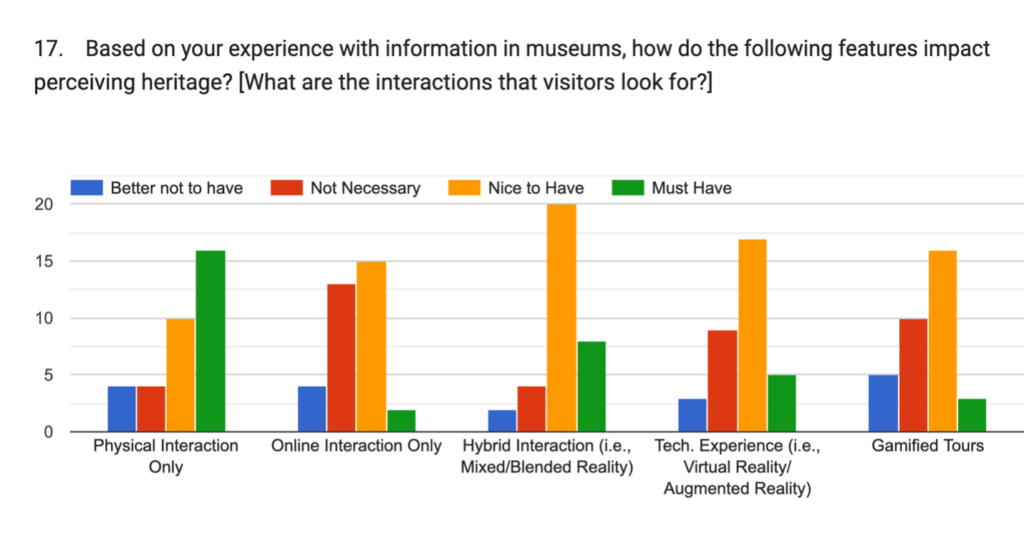
The survey results provide a comprehensive understanding of the participants’ experiences and valuable insights into accessing Egyptian cultural heritage data. The results indicate that there is a restricted or limited accessibility to information about Egyptian cultural heritage, as detailed in the following (Survey Results) section. Furthermore, the survey uncovered interesting findings related to both physical and virtual contexts. For instance, 70.06% of the participants preferred physical tours, while 23.5% preferred hybrid interaction. This finding highlights the importance of considering physical interaction when deploying digitalization technology in this context.
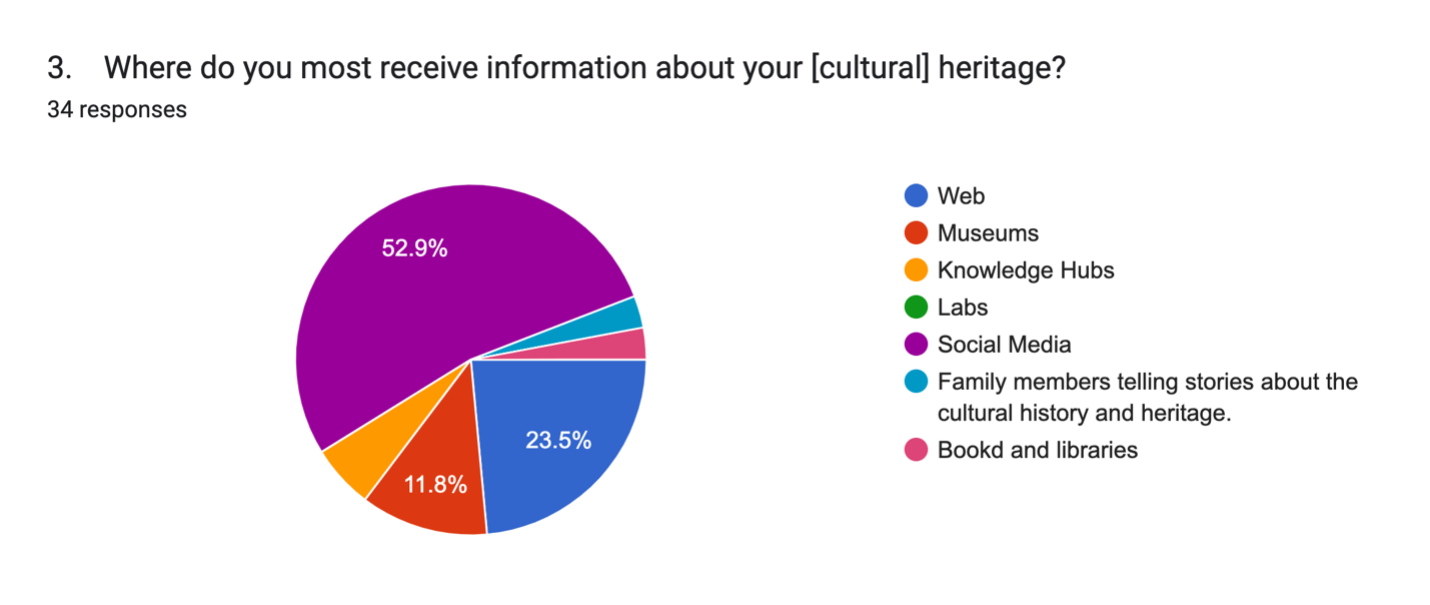
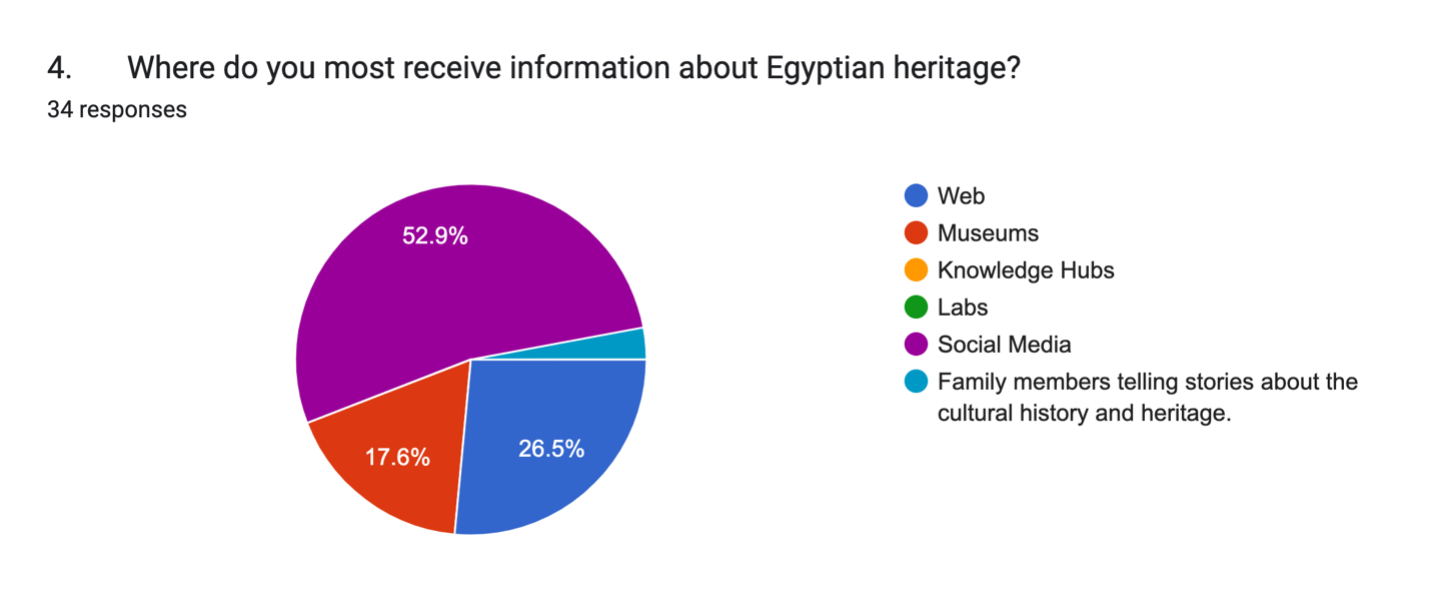
Additionally, it was interesting to find out that 52.9% of the participants received information about Egyptian heritage from social media, while 26.5% accessed it through the World-Wide-Web, and 17.6% from museums.
Survey Conclusion
The survey results indicate that human interaction inside museums is crucial in promoting public awareness and education about Egyptian cultural heritage. As one of the most important and engaging cultural heritage and knowledge transfer institutions, museums play a vital role in preserving and promoting cultural heritage. Whether physically or digitally, the human-interaction component of museums is a critical factor in making cultural heritage accessible to the public.
The survey findings have important implications for future research and practical applications aimed at improving access to Egyptian cultural heritage data while enhancing human interaction within museums, whether they are on-site or online.
Survey Results
Section 2
Data Accessibility & Human Interaction
Section 3
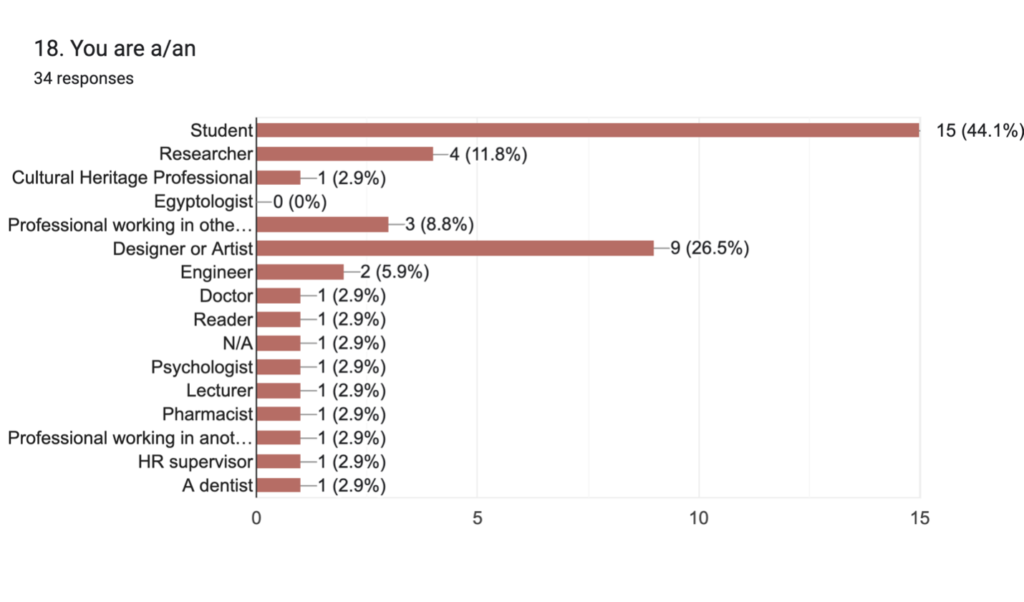
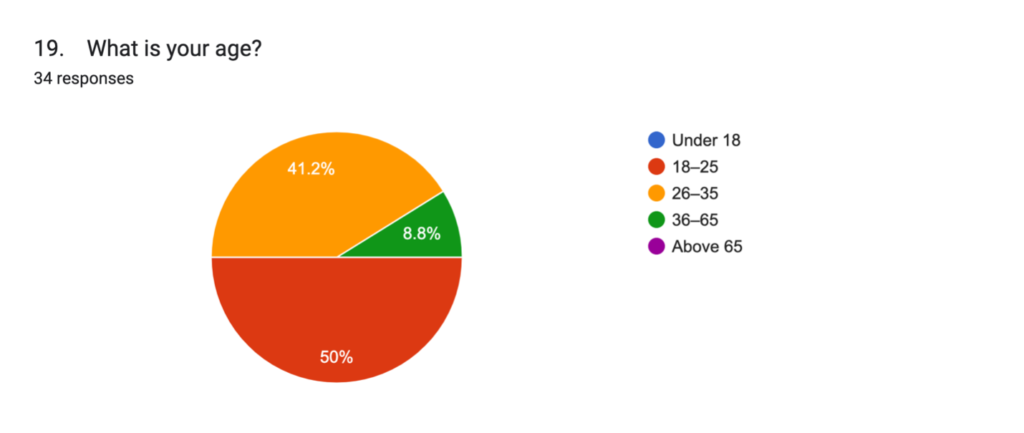
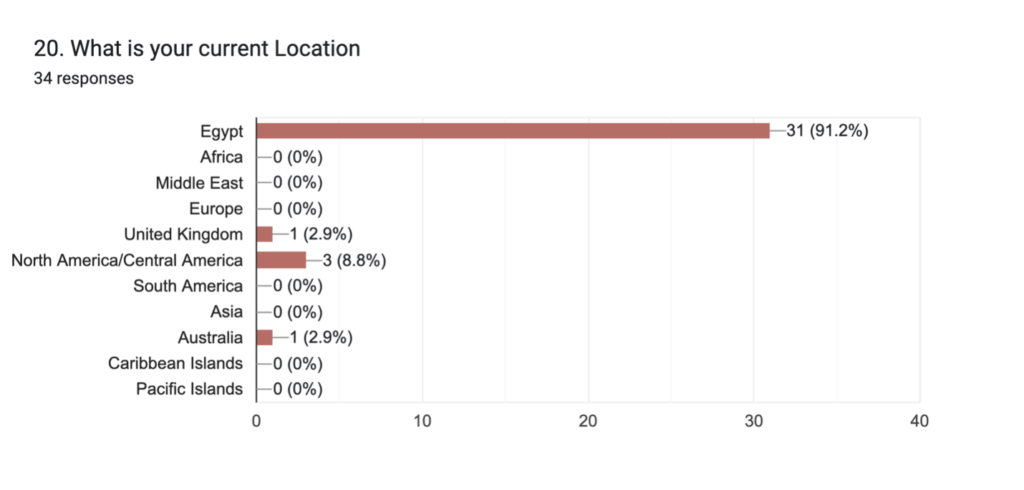
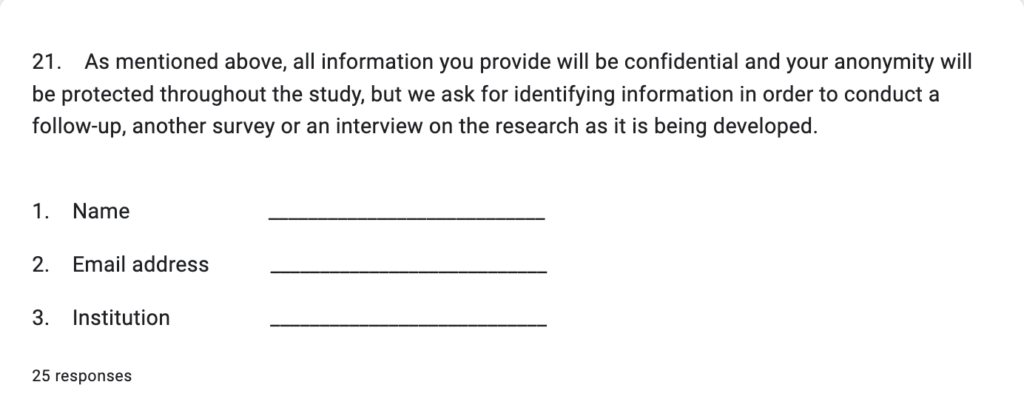
Demographic Questions