BY MIRHAN ABOUELFADL, PUBLISHED MAY, 2022
THE ESSENCE OF TECHNOLOGY
Have you ever thought about what WWW stands for? What is the difference between the WEB and the INTERNET? Do you know that we are moving to the third iteration of the web (Web 3.0)? Do you even know what does that mean? Are we Digital Natives or Digital Immigrants?
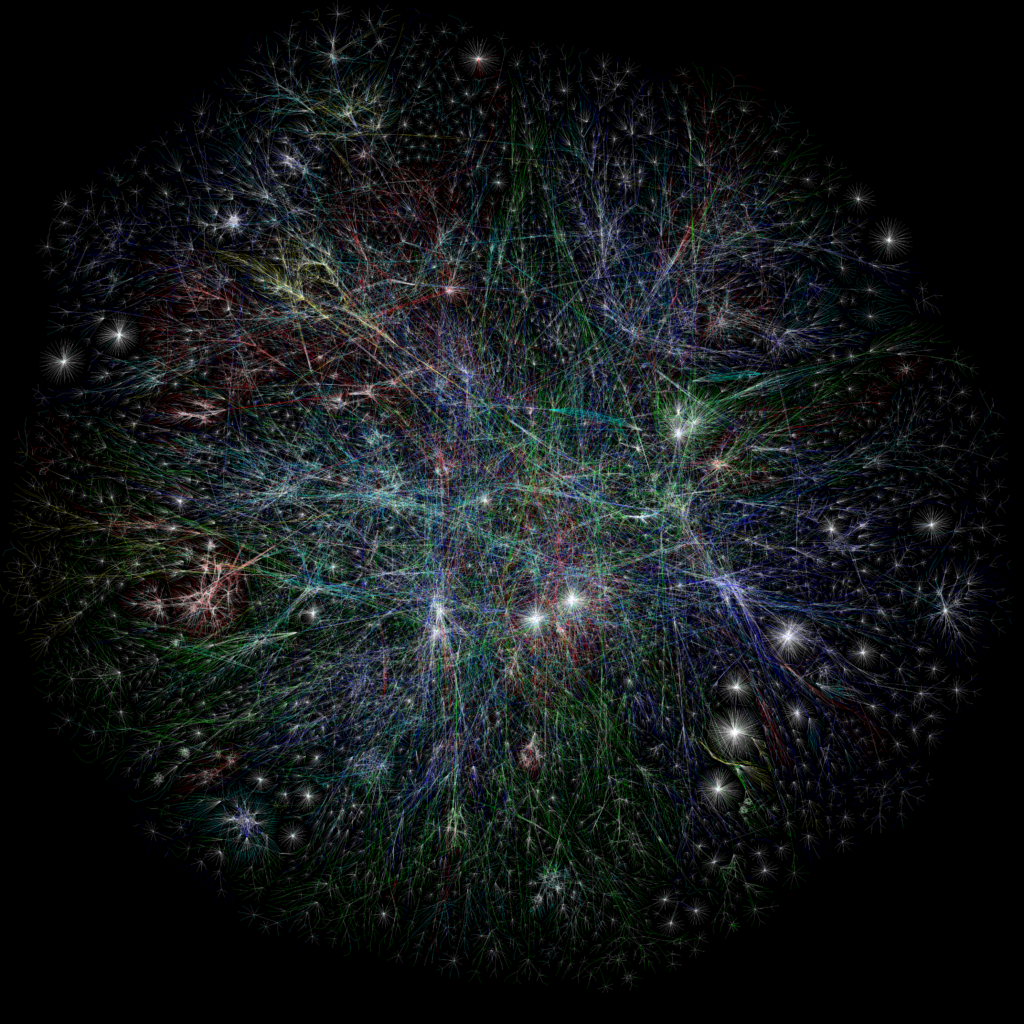
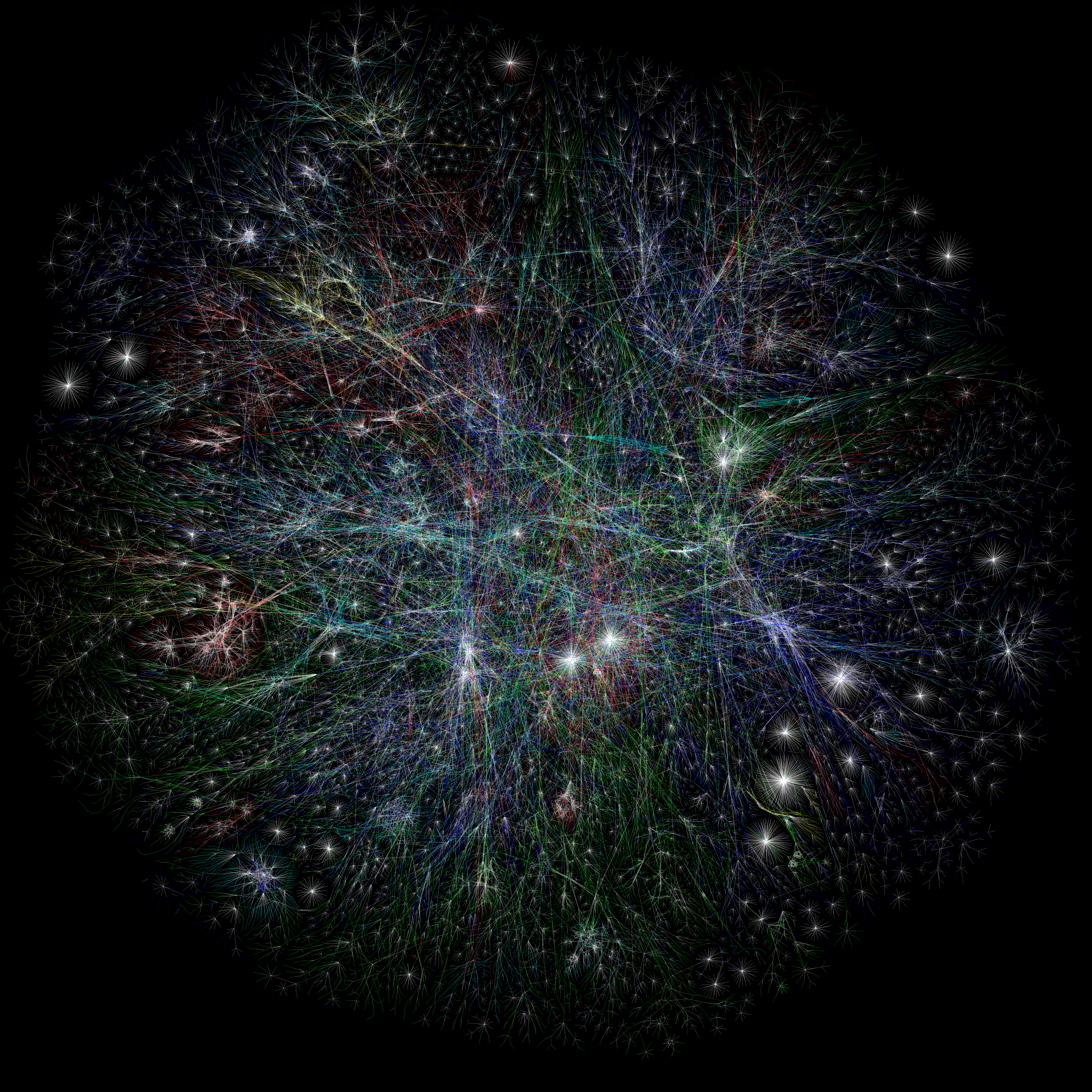
’’The Internet is one of humanity’s most important creations’’. Although, the impact of the internet across multiple aspects of modern society is clear, People might argue about the type or the shape of this impact on each of them, however it is undeniable that this invention has influenced human’s behaviours, mindsets, way of living and our entire life at large. The World Wide Web (WWW) is the internet’s primary information retrieval system. ‘The Internet (‘Net) is a network of networks. Basically it is made from computers and cables’ while ‘ The Web is an abstract (imaginary) space of information’ (Tim Berners-Lee). Now the question remains as, how this technology have changed our lives? And why its development is critical in our modern life?
It is the information! People are interested in what they can learn through this technology; they might not be so interested to know how the technology works, maybe they don’t care what WWW stands for, but they definitely want to communicate and share information.
When I first learned about the History of Technology “From the Internet to the WWW,” I was surprised to learn that the memorandum “Information Management: A proposal,” which discussed the issues of information loss in complex evolving systems, was submitted in 1989! Just three years before my birth, when I thought it was tens of years earlier! Perhaps because we are currently using Web 2.0 and transitioning to Web 3.0, which incorporates decentralisation, artificial intelligence (AI) and machine learning, connectivity, and ubiquity. It’s hard to believe that this rapid transformation occurred over the course of 30 years. It is true that the first GUI browser, Web 1.0, was created in 1990!
Digital Natives & Digital immigrants
I remember when I was 7 or 8 years old and first used the internet, I used to play with the floppy disc, bringing the upper part back and forth to understand its mechanics. I recall finishing a programming course as an extracurricular activity in high school. And, despite being a millennial in my late twenties who has witnessed the evolution of the internet from dialup to today’s Starlink satellite internet, I cannot consider myself either a digital native or a digital immigrant. Perhaps somewhere in the middle.
Digital Natives as a term, as well as Digital Immigrant, were popularised by Marc Prensky in 2001. He defined Digital natives as those who were “born digital” and are “’native speakers’ of the digital language of computers video games and the Internet.” Digital immigrants, on the other hand, are those who are able to adopt to the language of the new technology although they were not born into the digital world. It became a common knowledge that millennials, Generation Z, and Generation Alpha are digital natives, however, I believe we -as millennials- are not as fluent in technology as generation Z. It is true that we both born digital as some people claim, but through my experience I can tell that there are significant differences in how we both understand, use and speak the technology language. Millennials spent more time switching between digital life and real life experiencing the benefits and drawbacks of the transition. For me it felt like two different worlds, and I am trying to take advantages of both. For generation Z today, it’s difficult to imagine life without computers, smartphones, Google, Netflix, or Instagram.
