The Evolution of Design Thinking and the Modern Practices in the UX Design
A Holistic View
Keywords: User Experience, Digital Transformation, Digital Humanities, Industrial Design, Product Design, Design Thinking, Design for Interaction.
In a very insightful study, Forrester Research revealed that a well-designed user experience can increase conversions by 400%.
Great products, whether digital or physical, services or systems, are not magically created. A thorough comprehension of users, the impact products have on their lifestyle and aspirations, as well as their experience and behaviour, is crucial for creating an effective proposition. Great design is subjective; however, it became a necessary non-negotiable component of any solution.
In my opinion, the current UX manifesto is not revolutionary. There are undoubtedly new practices, tools and techniques that have been influenced by the emergence of digital products, which has altered the product development process flow and the nature of its practice.
Like never before, UX designers have become critical to any organisation. The significant rise in ROI has been enabled by focusing on UX design and implementing user-centric approaches and methods. The user engagement achieved has allowed businesses to thrive (400% conversion rate). The growing demand for competent UX Designers brought the profession ranking among the top 5 in-demand hard skills‘’ LinkedIn Most Promising Job with 86% year-over-year job growth’’
The digital experience is taking the design industry by storm and sparking a revolution. One of the reasons is that the impact of good UX design is not only on the user but also on the organisation’s profits. According to Forrester Research, UI design may raise conversion rates by 200%, while great UX design can boost them by up to 400%. It implies that strategic design influences the UX as well as creating an engaging experience.
Industrial design, Product design, UI or UX design?
History to Present
Industrial Revolution to Digital Revolution
In the 19th century, industrial design ‘’designing products, devices, objects, and services used by millions of people around the world every day.’’ has emerged as a professional discipline, and it was intimately tied to the industrial revolution. This design practice has evolved over time, it became a proven practice that was adopted by huge organisations like IBM, General Motors, and Electrolux back then when influential designers like Raymond-Loewy and Dieter Rams sparked the industrial design field and contributed their own design principles. Even better, they created in-house design departments and teams to work on new products for global markets. Throughout history, the nature of this practice kept evolving. Human ergonomics, end-user experience, technical advancements, branding, and commercial development have all become crucial aspects of the industrial design profession.
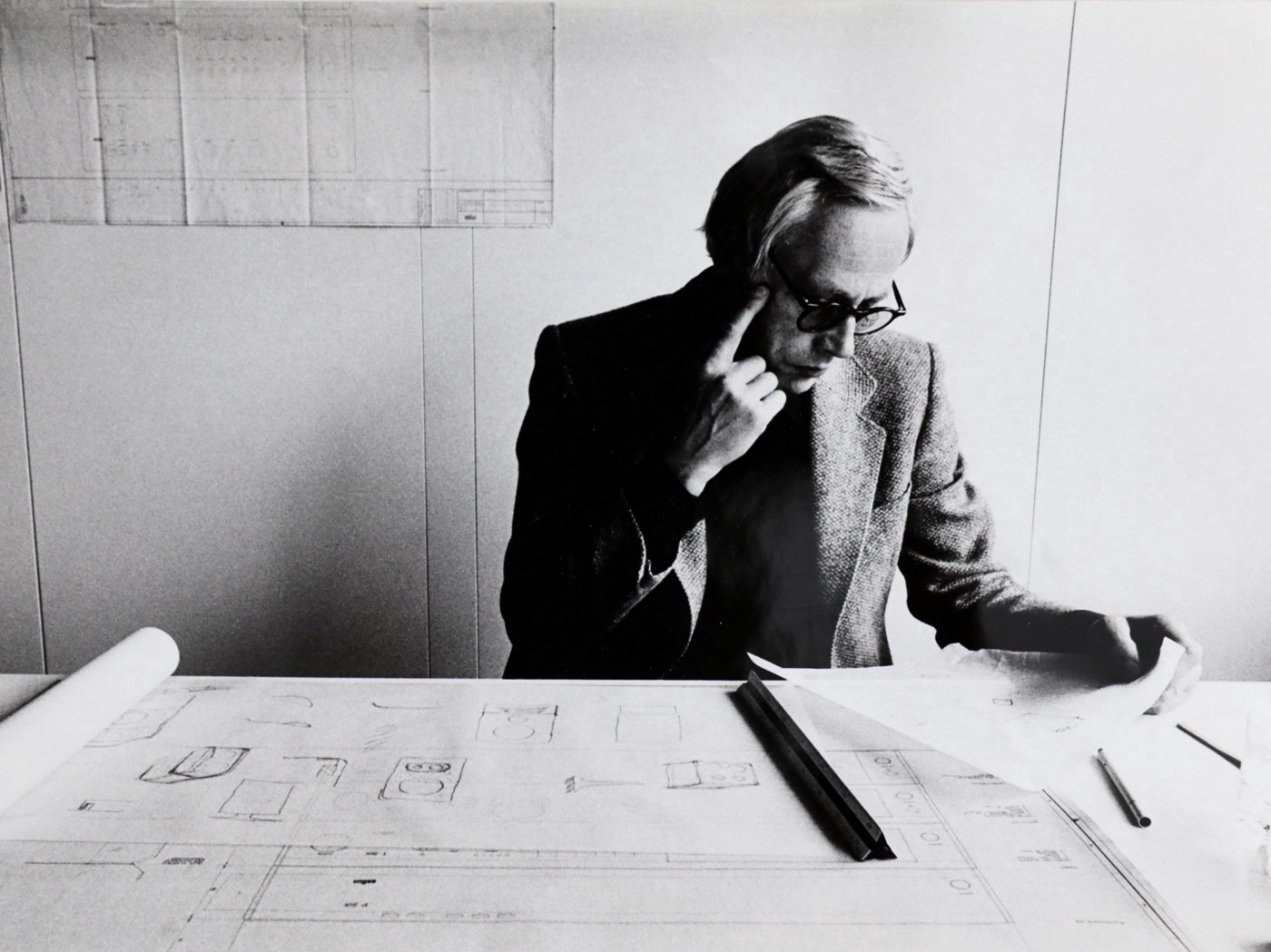
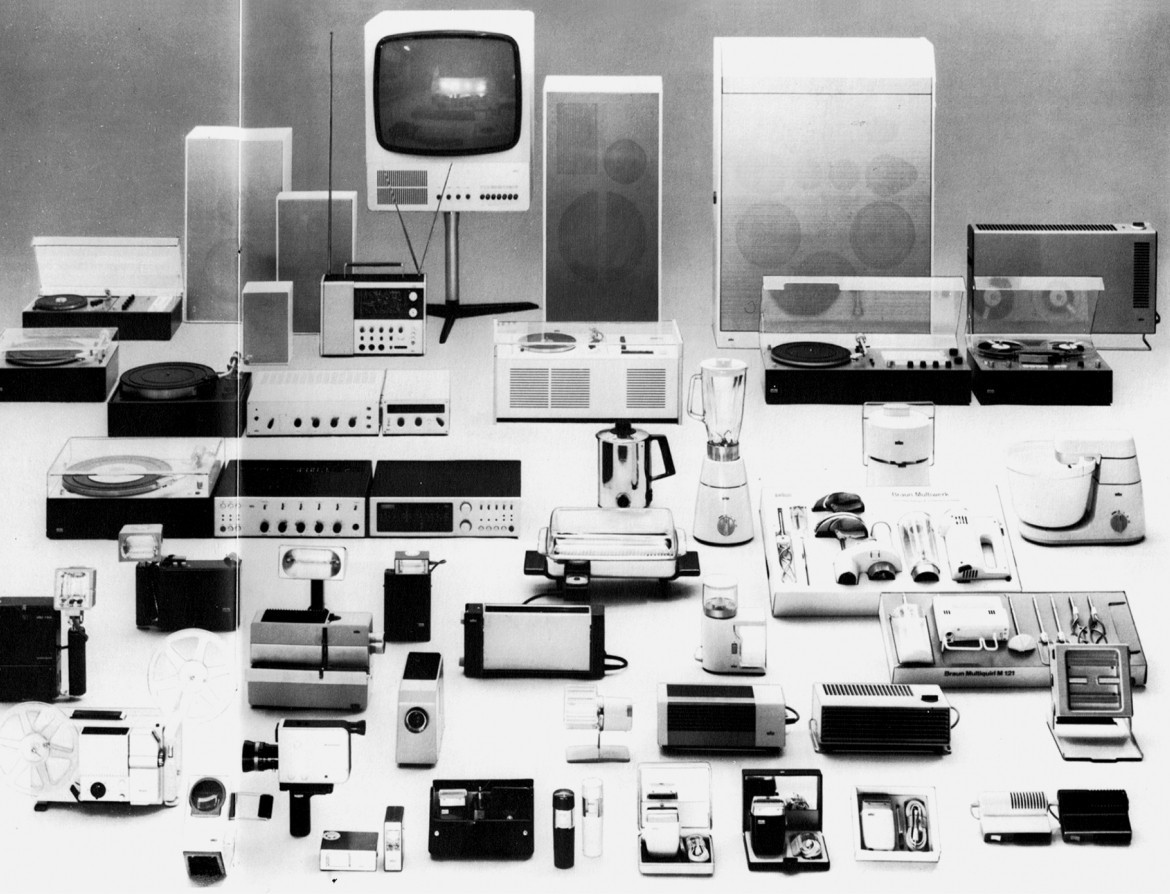
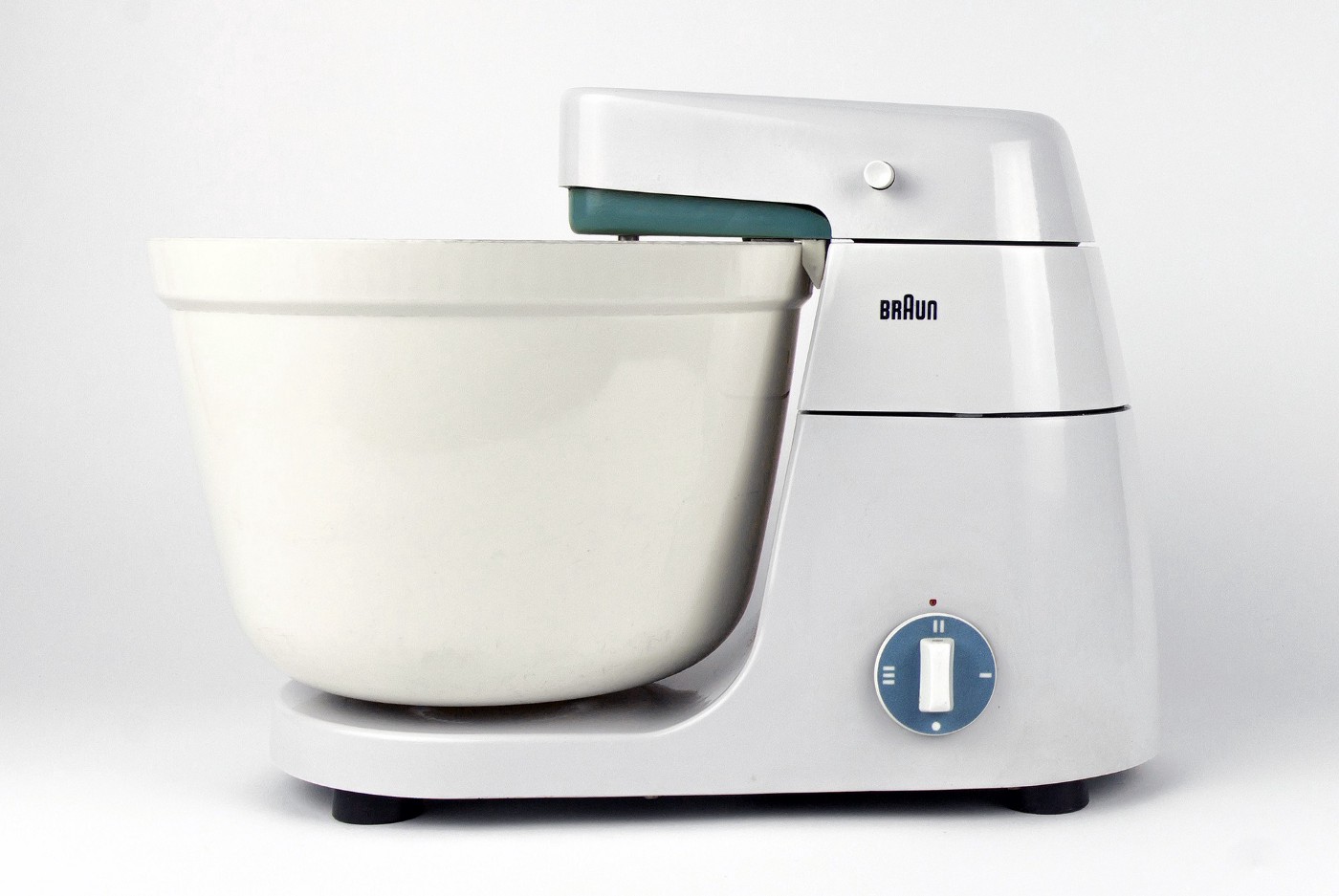
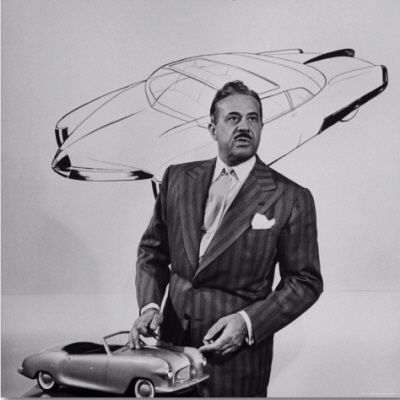
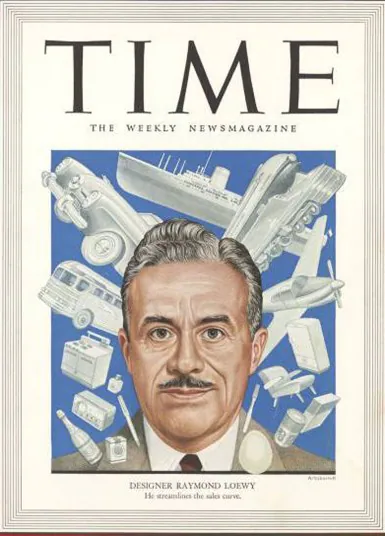
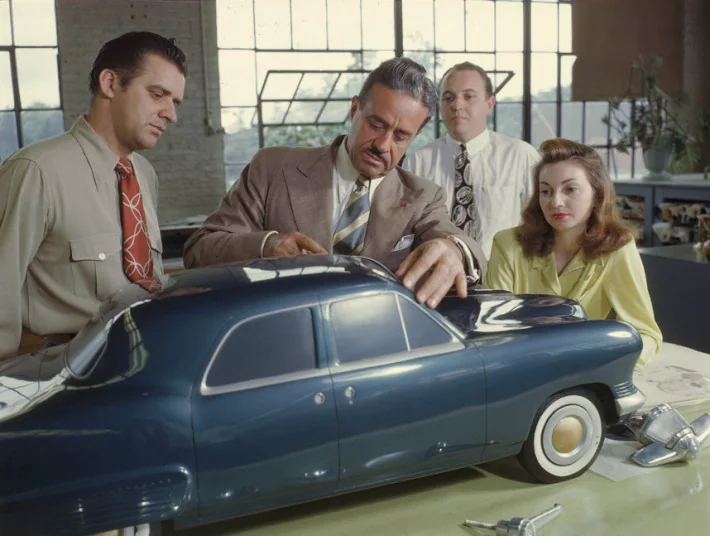
Empathy for users, the environment, and society as a whole is a core attribute of the modern design process
IDSA – What is Industrial Design
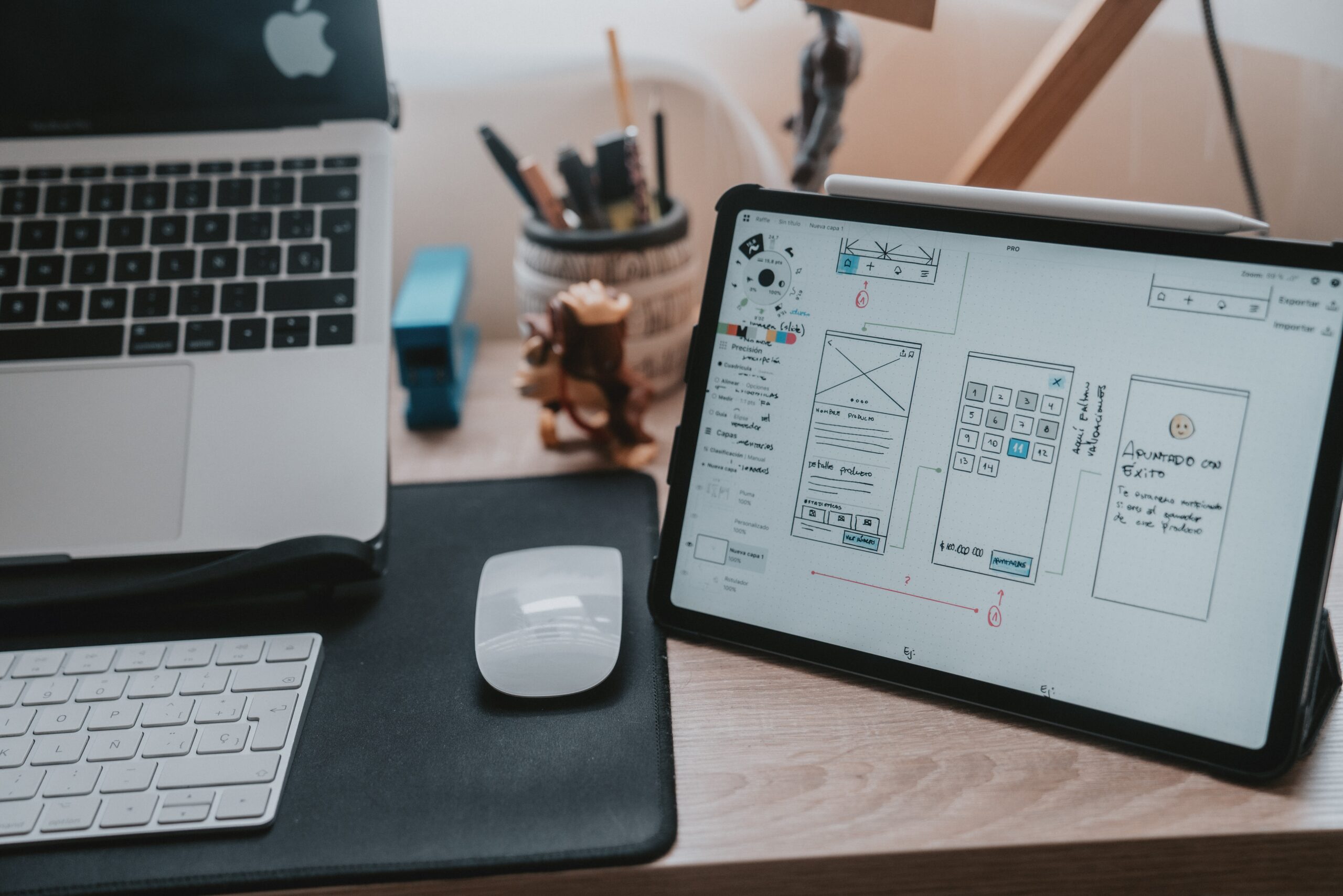

UX, empathy and designing for impact were the heart core of industrial design for solving problems. The digital transformation era has shifted practice implementation; however, the objective and holistic view of design thinking as ‘’a human-centred approach to innovation that draws from the designer’s toolkit to integrate the needs of people, the possibilities of technology, and the requirements for business success.’’ remains at the core of the design practice.
The evolution of technology has impacted humans, subsequently, their lifestyles, behaviours and the nature of their needs have been shifted. And design as a creative approach to problem-solving is evolving in response to accommodate these new changes in humans’ life and behaviours.
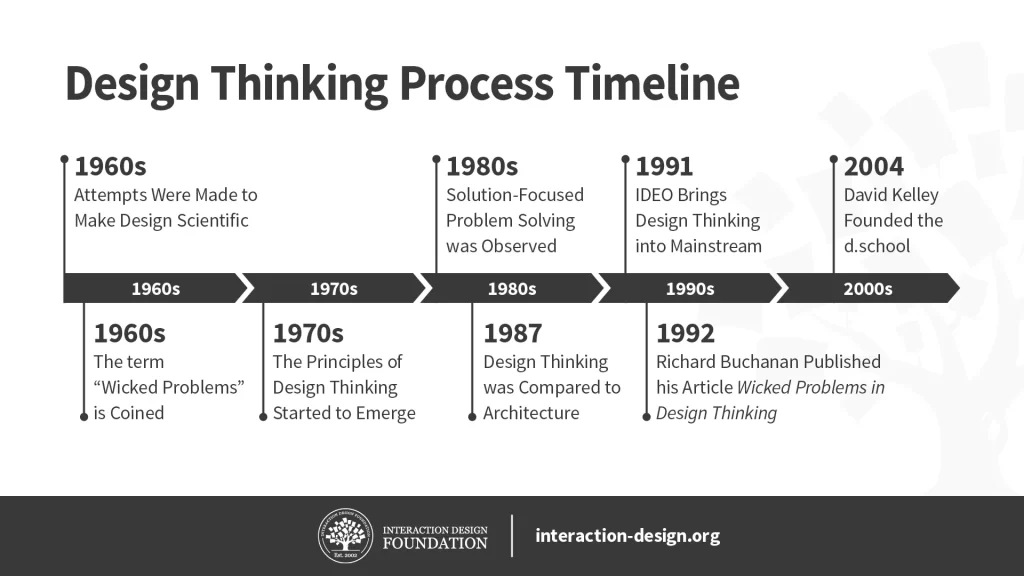
© Daniel Skrok and the Interaction Design Foundation, CC BY-NC-SA 3.0.
© Daniel Skrok and the Interaction Design Foundation, CC BY-NC-SA 3.0.
User experience is subjective. It gets affected by human feelings and opinions; hence, it is concerned with the situation rather than the final product. It is likely to change depending on the circumstances.
As a subsequent response to the digital transformation drastic changes, UX became heavily implemented in designing digital products.
Is technology driven by human needs? Or is the rate of technological development influencing human needs to evolve in a particular direction?
Technology Begets Technology
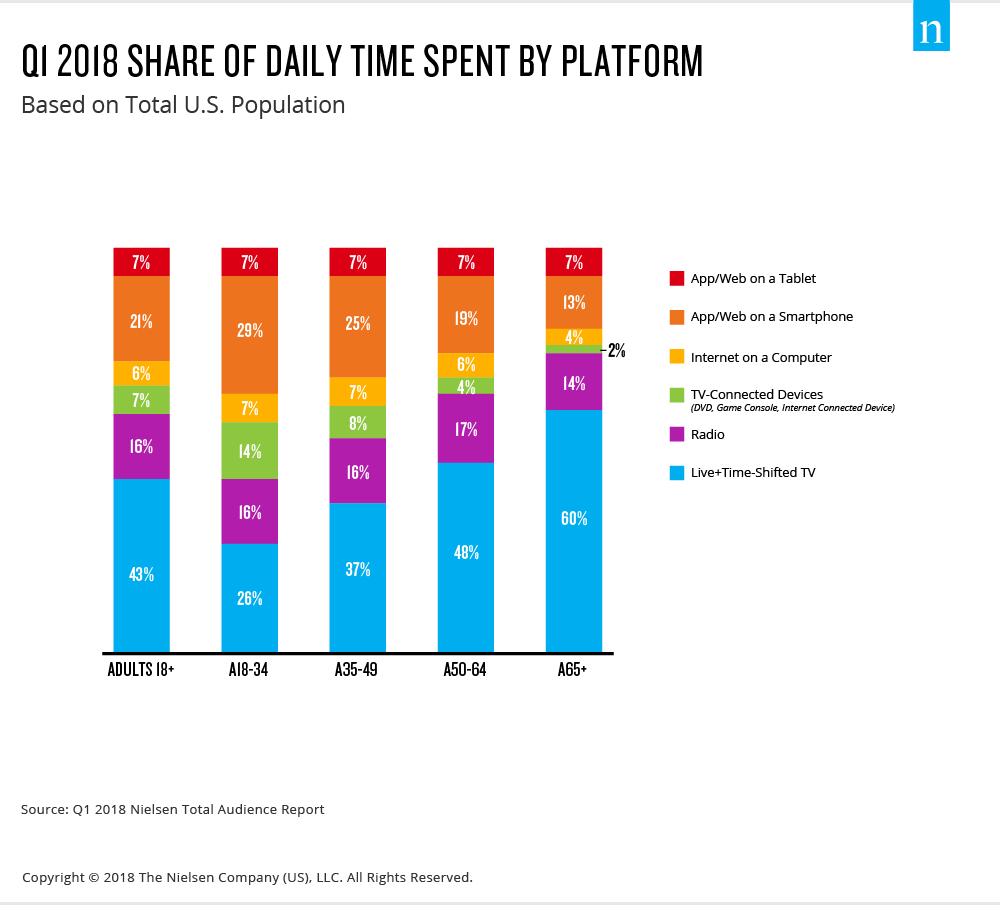
Did you know that humans spend more than 11 hours a day on their screens?
A Nielsen research report from 2018 revealed that ‘’American adults spend over 11 hours per day listening to, watching, reading or generally interacting with media’’. In 2019, Forbes reported that adults’ consumption rate of information increased by five times in comparison to their counterparts 50 years ago, with 12 hours a day of that spent on screens.
This could explain the evolution of UX and UI design as a strategic approach and a high-demand profession on both the technological and business development levels.
These statistics may be contested between proponents of the benefits of such behavioural and technological development and conservatives aware of its consequences, yet there is an undebatable consideration; the role of the UX designer should be centred around the user and human empowerment.
Humanities in Designing for interaction
I strongly believe that; responding to today’s challenges is shaping the threshold of a new design era, in this digital transformation age. And this requires a humanism multidisciplinary approach, a holistic view of the design ecosystem components, as well as the interaction with the product.
Design for interaction incorporates knowledge from, design sciences & arts, humanities and behavioural sciences, psychology, information science, different innovation technologies, and environmental sciences to aesthetics, ergonomics, engineering, marketing, business, and sociology.
This practice will foster the building of diverse innovation teams, which will not only result in a well-designed product but will also foster innovative thinking and put it into professional practice.
References:
